Sanni - AI Psychotherapist App
Case Study
AI psychotherapist bot with a clinician-reviewed knowledge base and built-in safety safeguards
Published 2024
Services
Product Architecture
Frontend Development
Backend Development
AI Integration
Partner
SanaBot (Switzerland)
Sector
Mental Health, Digital Health
Timeline
4 months (MVP to production launch)
Background Context
Sanni was conceived as an AI-based psychotherapy assistant designed to provide accessible, structured mental health support while remaining grounded in established therapeutic methodologies.
The core challenge was building a system that could engage users conversationally while remaining clinically responsible, culturally appropriate, and safe. Unlike generic AI chatbots, Sanni needed to operate within strict methodological boundaries and include escalation mechanisms for high-risk situations.
The platform also had to support qualified psychotherapists, allowing them to continuously assess, refine, and update the therapeutic logic behind the system without engineering involvement.
What We Delivered
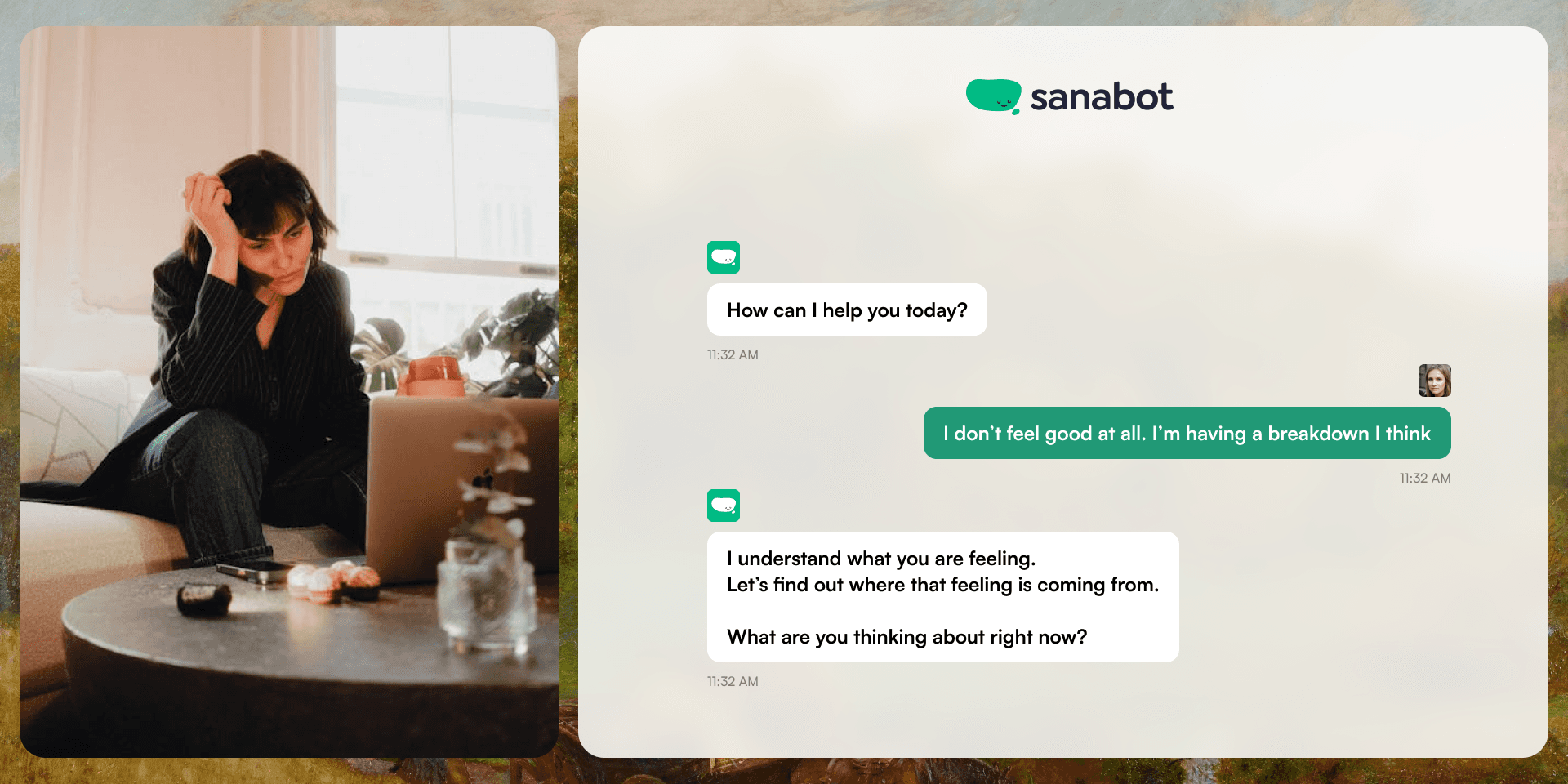
We designed and built Sanni as an AI-native conversational system backed by a centralised, clinician-managed knowledge base.
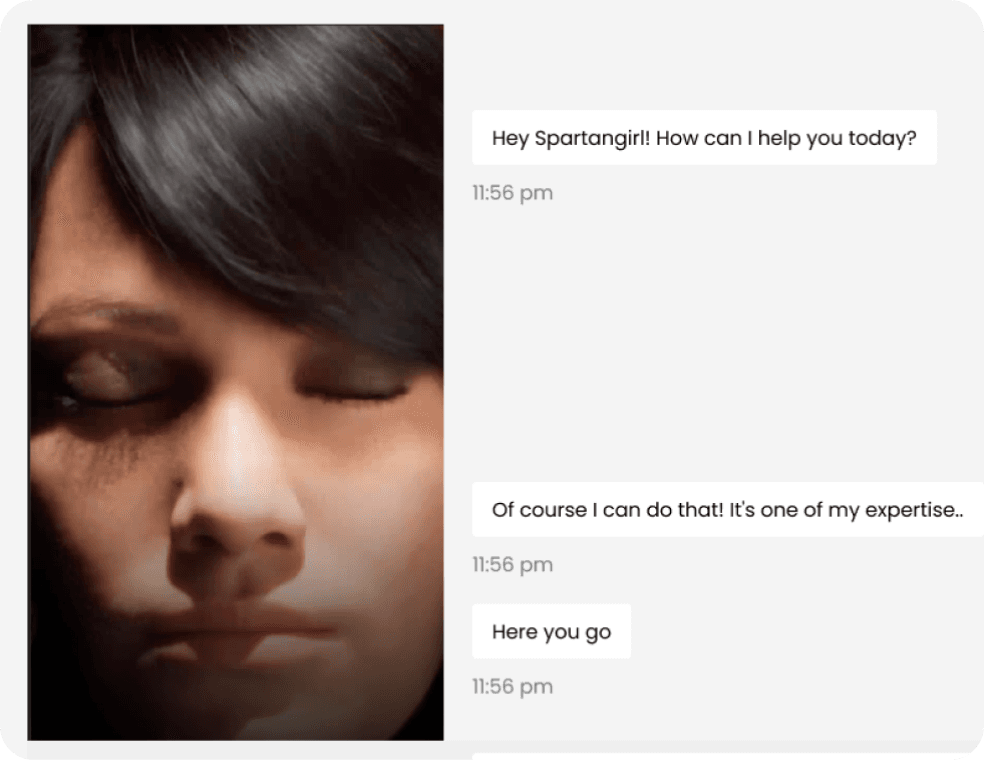
Users interact with the AI psychotherapist through a chat-based interface, while all therapeutic logic, tone, and response structures are governed by a continuously evolving knowledge base maintained by certified psychotherapists based in Switzerland.
Safety, traceability, and controlled evolution of the AI’s behaviour were treated as first-class system requirements rather than secondary features.
Key Capabilities
AI Psychotherapy Assistant
A conversational AI interface designed to support structured therapeutic dialogue while operating within predefined methodological boundaries.
Clinician-Managed Knowledge Base
A dedicated admin panel allows qualified psychotherapists to add, review, and refine therapeutic content and response logic. All changes are versioned and validated before being applied to the live system.
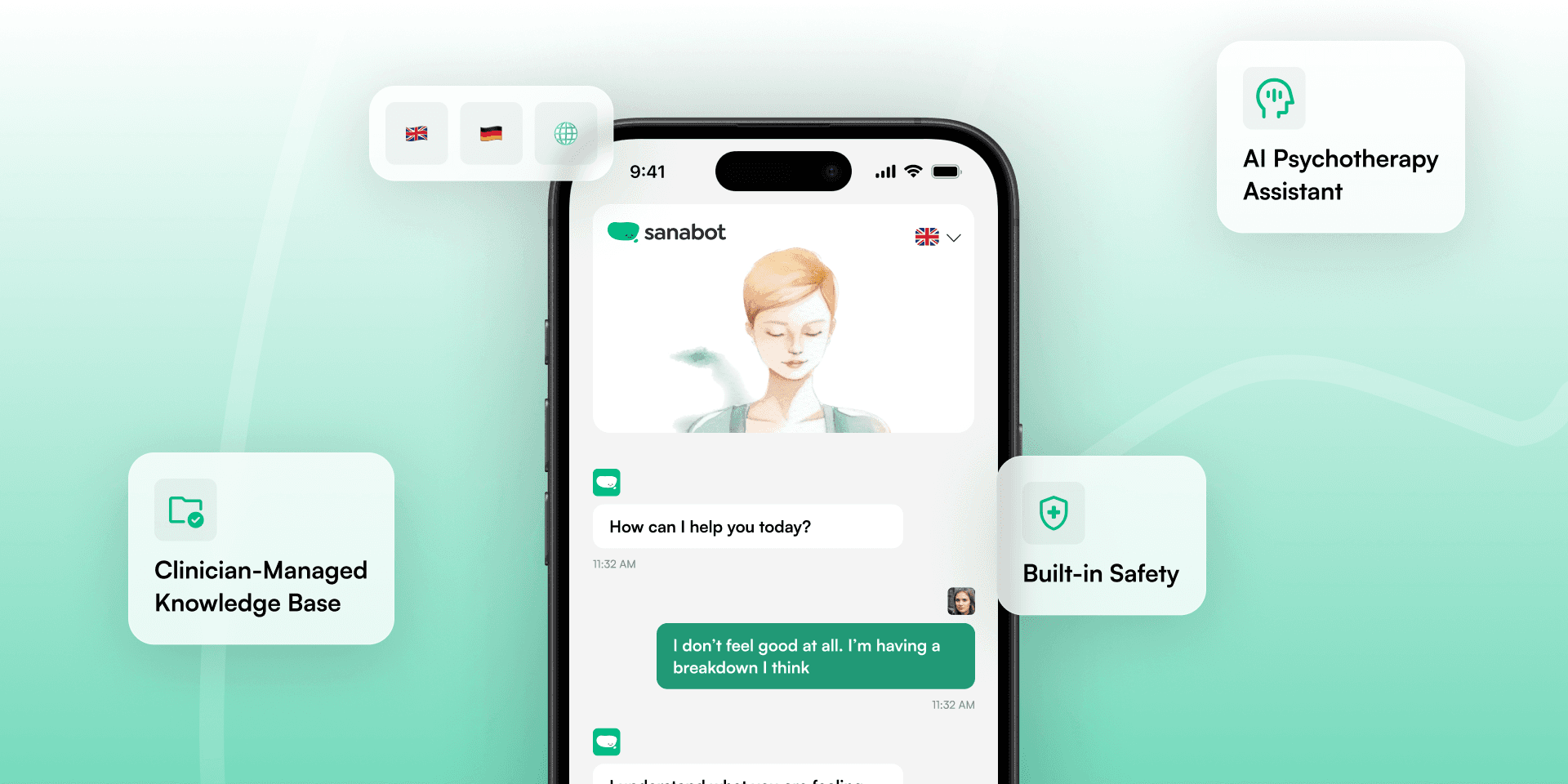
Built-in Safety Safeguards
The system continuously evaluates user input for high-risk signals. When suicidal ideation or critical language is detected, Sanni immediately shifts behaviour by encouraging off-platform support and surfacing relevant emergency contact numbers based on the user’s geographic location.
Multilingual Support
The assistant operates in both English and German, with language-specific phrasing and therapeutic tone adapted per locale.
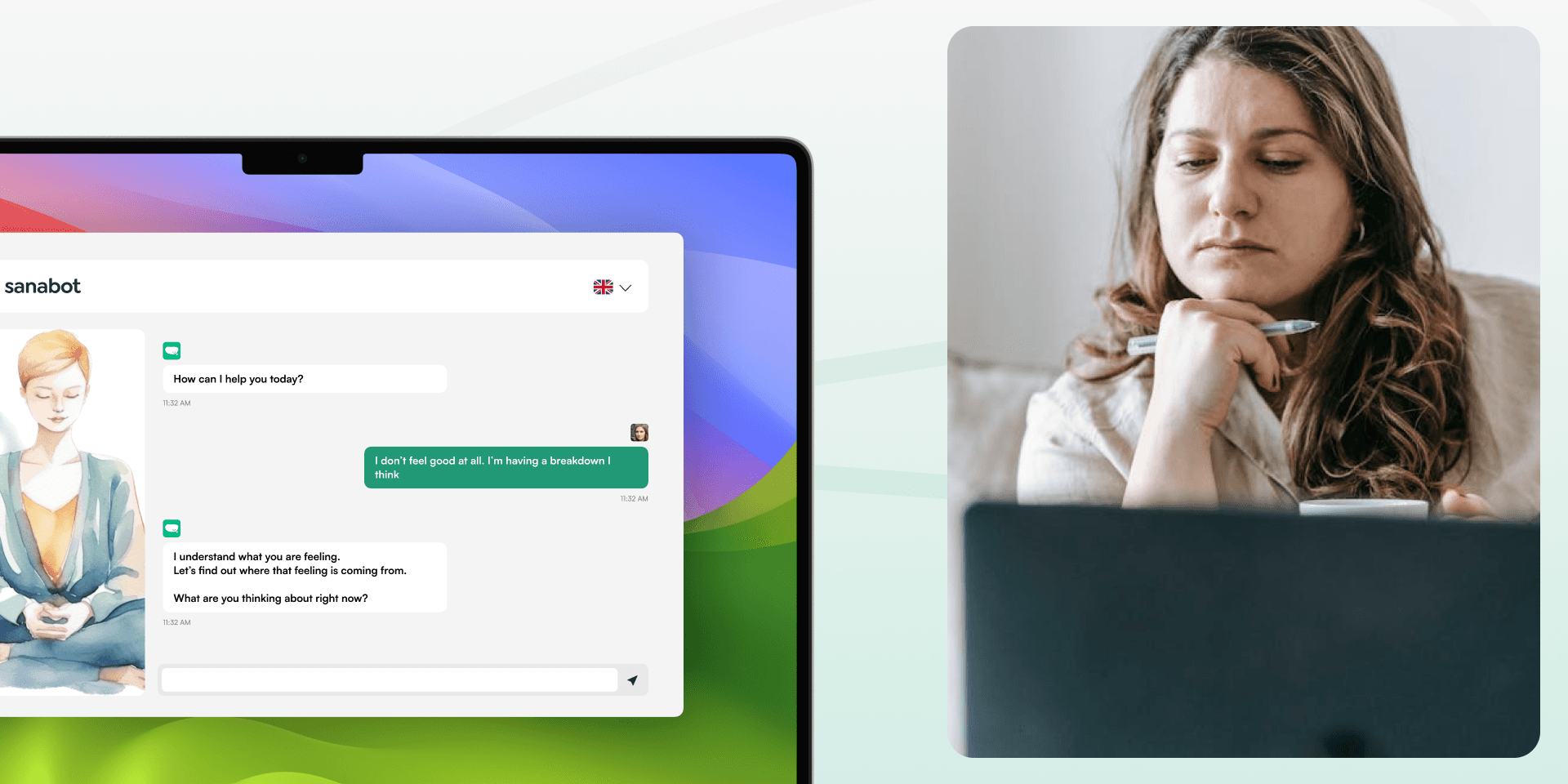
Cross-Platform Access
The product is fully responsive and available on both desktop and mobile devices.
What Made This Project Complex
Building Sanni required balancing conversational flexibility with strict methodological and safety constraints. The system needed to generate empathetic, natural responses while remaining grounded in clinician-approved frameworks, detect high-risk signals in real time, and avoid unsafe or misleading outputs.
Additional complexity came from supporting multilingual therapeutic nuance, maintaining auditability of knowledge changes, and ensuring that safety interventions were reliable without producing excessive false positives.
Tech Stack
The Sanni platform was designed for safety, maintainability, and controlled evolution using a modern, proven stack.
Frontend
Built with React and Tailwind CSS
Mobile-first design with dynamic flows
Responsive chat interface and admin tools for both users and clinicians.
Backend & Data
Node.js
NestJS
Modular backend architecture handling conversation orchestration, safety logic, and knowledge base management.
AI Layer
OpenAI API (GPT-based models)
Used with custom system prompts, safety filters, and knowledge grounding logic to constrain responses within approved methodologies.
Database
PostgreSQL
Structured storage for user sessions, knowledge base content, version history, and audit logs.
Authentication & Access Control
JWT-based authentication
Role-based permissions
Separate access levels for users, clinicians, and administrators.
Hosting & Infrastructure
AWS (EC2, RDS)
Docker
Containerised environments across development and production.
Monitoring & Logging
AWS CloudWatch
Application monitoring, error tracking, and operational visibility.
Delivery & Team
The product was delivered by a focused, cross-functional team:
2 Software Engineers
1 Product Designer
1 QA Engineer
1 Product Lead
The team worked closely with the SanaBot team throughout development to ensure alignment between technical execution and therapeutic intent.
Outcome
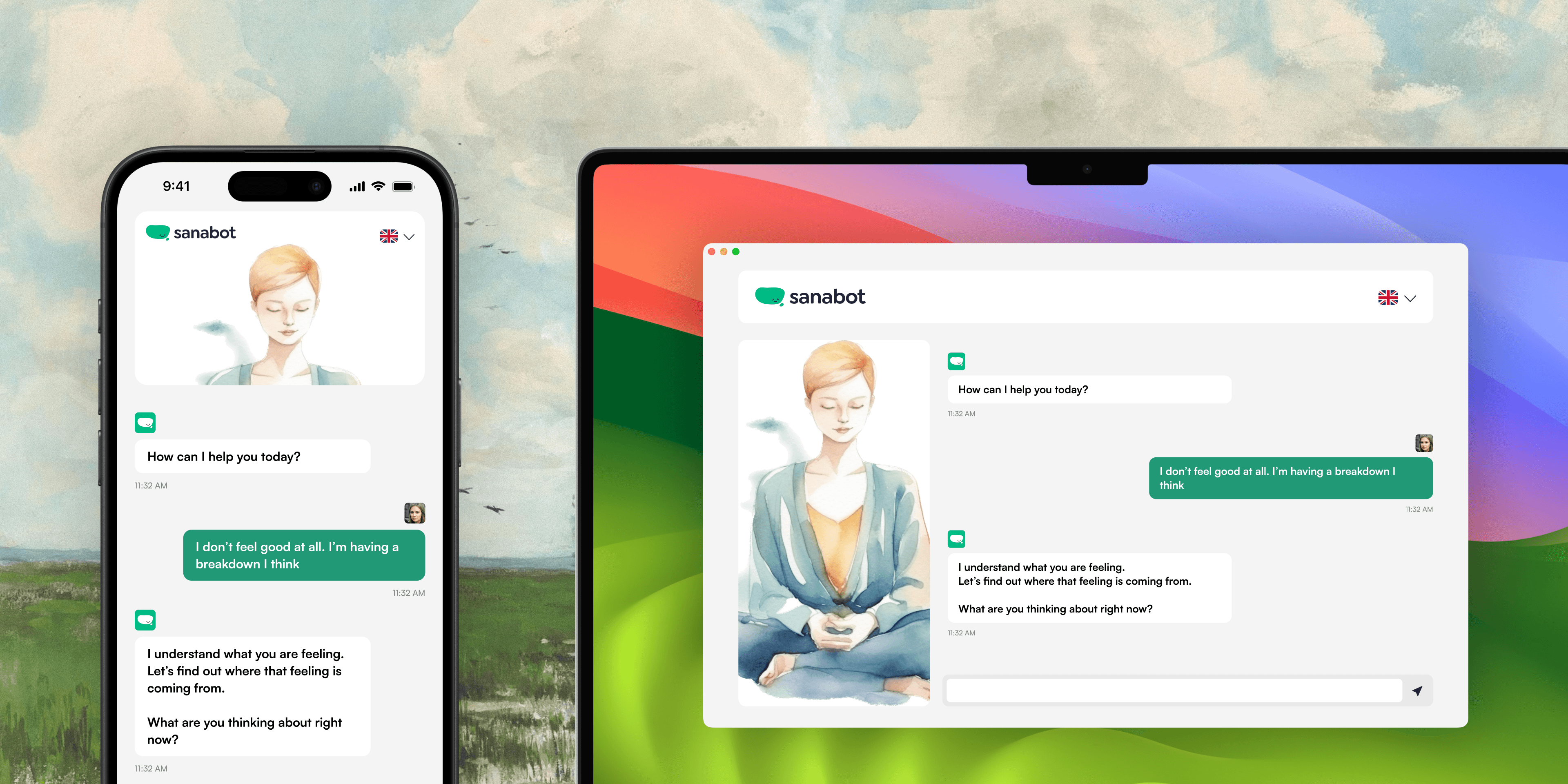
Sanni launched as a clinically grounded AI psychotherapy assistant with built-in safeguards and continuous human oversight.
The platform enables our partner to evolve therapeutic methodologies over time while maintaining consistency, safety, and accountability across every user interaction. It provides a scalable foundation for future expansion without compromising responsible use.